


You’re packing for Barcelona. Passport, check. Adapter plugs, check. Then you remember: mobile data. Do you stick with your carrier’s $15/day roaming? Buy a physical SIM at the airport? Or try this eSIM thing everyone keeps mentioning?
Five years ago, this wasn’t even a question. Physical SIM cards were your only option. You’d land, find a carrier store, wait in line behind 20 other tourists, struggle through language barriers, and hope the clerk didn’t sell you a plan that expires in 3 days when you need 10.
Now eSIM technology offers a completely different approach. No stores. No lines. No tiny plastic cards to lose. Just scan a QR code before you leave home, and you’re connected the moment you land. But is it actually better than physical SIMs? Or just different?
This guide compares eSIM and physical SIM cards across everything that matters for travel: real costs including hidden fees, actual convenience in airports at midnight, coverage quality in rural areas, and the specific situations where each option wins.
What You’re Actually Comparing
Physical SIM Cards: The Traditional Approach
A physical SIM is that tiny chip you’ve been inserting into phones for years. It stores your carrier information, authenticates your device on networks, and comes in that credit-card-sized holder you immediately lose.
For international travel, physical SIMs mean buying a local card in each country you visit. You find a carrier store—usually at the airport, sometimes in city centers. You select a prepaid plan from options explained in unfamiliar languages. You hand over your passport (some countries require ID registration). The clerk installs the card, activates it, and hopefully explains how to check your balance.
The process takes 15-60 minutes depending on queues and whether the clerk speaks English. You get a local phone number, data allocation, and sometimes calling credit. When you leave that country, the SIM becomes useless unless you return within its validity period (typically 30-90 days).
eSIM: The Digital Alternative
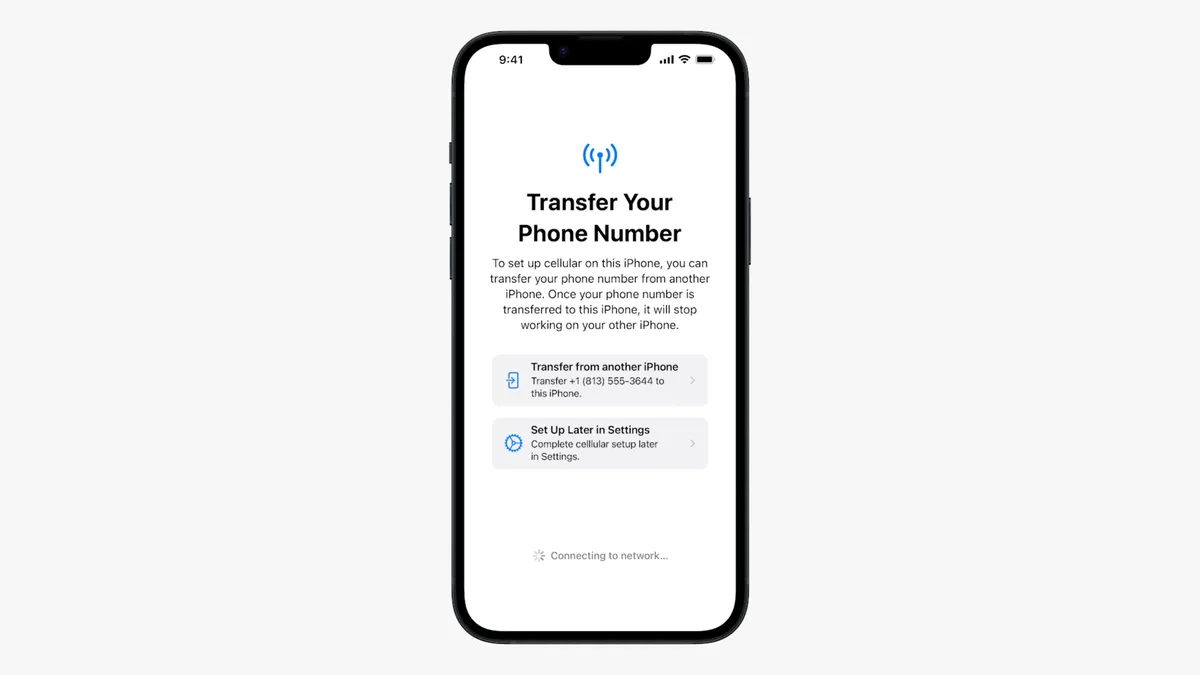
An eSIM is a chip permanently embedded in your phone during manufacturing. Instead of inserting physical cards, you download carrier profiles digitally through QR codes or activation codes.
For travel, this means purchasing data plans online before departure or immediately upon arrival. RedEx eSIM and other providers sell plans covering 195+ countries. You receive a QR code via email, scan it with your phone’s camera, and the carrier profile downloads in 30 seconds. Upon landing, you enable the profile through settings, and you’re connected in under 60 seconds.
No stores to find. No cards to install. No language barriers. The profile stays in your phone’s memory, ready to reactivate if you return to that country later.
Cost Comparison: Real Numbers
Upfront Costs
Physical SIM: The card itself costs $5-20 depending on country and carrier. Some carriers offer free SIMs when you buy prepaid plans. The real cost is the initial data package bundled with the card.
- Thailand example: Tourist SIM at Bangkok airport with 10GB costs $15-20 total.
- France example: Orange Holiday SIM with 20GB costs €25-30 ($27-33).
- Japan example: Tourist SIM with 8GB costs ¥3,000-4,000 ($20-27).
eSIM: No physical card to buy. You pay only for the data plan.
- Thailand example: RedEx eSIM 7-day plan with 6GB costs $10.99.
- France example: RedEx eSIM 7-day plan with 6GB costs $10.99.
- Japan example: RedEx eSIM 7-day plan with 6GB costs $10.99.
Winner for upfront cost: eSIM by $5-20 per country
Hidden Costs
Physical SIM hidden costs:
- Transportation to carrier stores: $5-20 per destination (taxi, metro, or time walking)
- Time cost: 30-90 minutes per country including travel and purchase
- Language barriers: May need hotel staff help or translation apps
- Lost productivity: Can’t work or navigate while sorting out connectivity
- Card storage: Risk losing tiny SIMs, need storage solution
- SIM ejector tool: Easy to lose, need backup
Real scenario: You land in Rome at 10 PM. Carrier stores are closed. You pay €8 for airport taxi to your hotel without data for navigation. Next morning, you spend 45 minutes finding a TIM store, waiting in line, and activating a SIM. Total hidden cost: €8 + 45 minutes of your vacation.
eSIM hidden costs:
- Essentially none if you purchase before departure
- Potential WiFi charges if you buy after landing without pre-planning ($5-10 for airport WiFi in some locations)
- Learning curve for first-time users (5-10 minutes reading instructions)
Winner for hidden costs: eSIM by $10-30 per trip
Multi-Country Trips
Physical SIM: You need a new card for each country. Three-country European trip means three separate purchases, three store visits, three activation processes.
Example costs:
- France: €30
- Italy: €25
- Spain: €25
- Total: €80 ($88) plus 2-3 hours across three store visits
eSIM: Regional plans cover multiple countries under one purchase.
RedEx eSIM 39-country European plan: $34.99 for 10GB valid 30 days. Works across France, Italy, Spain, Germany, Portugal, Greece, and 33 other countries. One purchase. One activation. Seamless connectivity across all borders.
Winner for multi-country trips: eSIM by $50+ and 2-3 hours saved
Long-Term Costs
Physical SIM: Cards expire 30-90 days after last use. Return to the same country six months later? You need a new SIM. The old one is dead.
eSIM: Profiles stay in your phone indefinitely. Return to Thailand next year? Reactivate your existing profile or install a new one in 60 seconds. No need to find stores again.
Winner for repeat travelers: eSIM
Convenience Comparison
Before You Leave Home
Physical SIM: Nothing to do except verify your phone is unlocked. You’ll handle everything after landing.
eSIM: Purchase and install your plan before departure. Takes 5 minutes total. You board the plane knowing you’ll have connectivity the moment you land.
Advantage: eSIM – eliminates airport stress
At the Airport
Physical SIM: Find the carrier stores. In major airports, they’re usually near arrivals. In smaller airports, you might need to leave the terminal. Stores may be closed late at night or early morning. Queue times vary wildly. Bangkok Suvarnabhumi at 8 PM? 5-minute wait. Paris CDG on a Saturday? 45-minute queue. You’re standing there with luggage, tired from the flight, watching your taxi wait time increase.
eSIM: Walk off the plane. Enable your eSIM profile through settings (takes 20 seconds). You’re connected before you reach baggage claim. Load Google Maps, message your hotel, check email—all while walking through the airport.
Advantage: eSIM by 30-60 minutes
Switching Between Countries
Physical SIM: Physically swap cards. You need your SIM ejector tool, adequate lighting, steady hands, and storage for your previous SIM. Real scenario: You’re on a bus from Vienna to Prague. Your Austrian SIM stops working. You’re digging through bags for the ejector tool while the bus bounces. The SIM tray falls. The tiny card bounces under the seat. You spend 10 minutes searching.
eSIM: Open Settings > Cellular. Tap your Czech eSIM profile. Toggle it on. Done in 15 seconds. Your Austrian profile stays installed for your return trip.
Advantage: eSIM by 2-3 minutes and zero stress per border crossing
Managing Multiple Devices
Physical SIM: One card works in one device at a time. Want to use your tablet? Remove the SIM from your phone, insert it in your tablet. Each swap takes 2-3 minutes and risks losing the card.
eSIM: Many providers including RedEx eSIM allow installing the same profile on multiple devices. Your phone and tablet both get connectivity. Or purchase separate plans for each device—still easier than physical SIM juggling.
Advantage: eSIM
Keeping Your Home Number
Physical SIM: Swapping to a local SIM means removing your home carrier’s SIM. You lose your regular phone number. Can’t receive calls or SMS verification codes unless you use WiFi calling.
eSIM: Dual-SIM functionality lets you keep your home carrier’s physical SIM active for calls and texts while using an eSIM for data. You remain reachable on your regular number while avoiding roaming data charges.
This matters for:
- Two-factor authentication codes sent via SMS
- Calls from family or work
- Banking security alerts
- Emergency contacts reaching you
Advantage: eSIM significantly
Coverage and Performance
Network Quality
Physical SIM from major local carriers: You connect directly to that carrier’s network. Buy a Vodafone SIM in Spain, you get Vodafone’s full network access.
eSIM from quality providers: You connect to the same networks through partnerships. RedEx eSIM partners with tier-one carriers in each country—Vodafone, Orange, T-Mobile, AT&T, AIS, NTT Docomo. You get identical network access as local physical SIMs.
Winner: Tie between physical SIMs from major carriers and eSIMs from quality providers like RedEx
Speed and Data Priority
Physical SIM: Direct carrier customers sometimes get priority during network congestion. In crowded areas, you might see faster speeds than wholesale customers.
eSIM: Depends on provider agreements. RedEx eSIM’s tier-one partnerships ensure equal priority with direct customers.
Winner: Slight edge to physical SIMs, but negligible with quality eSIM providers
Rural and Remote Coverage
Physical SIM: Major local carriers invest in rural infrastructure. In remote areas, the dominant local carrier usually provides the best coverage.
eSIM: Coverage matches the partner carrier’s network. RedEx eSIM’s partnerships with dominant carriers ensure equivalent rural coverage.
Winner: Tie with quality eSIM providers, advantage to physical SIMs with budget eSIM providers
5G Access
Physical SIM: Full 5G access where the carrier offers it and your device supports it.
eSIM: Same 5G access through carrier partnerships. No technical limitation prevents eSIM from accessing 5G networks.
Winner: Tie
Device Compatibility
What Works with Physical SIMs
Every mobile phone manufactured in the past 20 years accepts physical SIM cards. This universal compatibility makes physical SIMs the only option for:
- Older phones (pre-2018 smartphones)
- Budget phones under $200
- Specialized devices (some rugged phones, basic phones)
What Works with eSIMs
eSIM requires specific device support:
- iPhones: XS, XS Max, XR, and all models from 2018 forward (11, 12, 13, 14, 15, 16 series)
- Android: Samsung Galaxy S20 and newer, Google Pixel 3 and newer, select models from Huawei, Oppo, Motorola, and others.
- Tablets: iPad Pro (2018+), iPad Air (2019+), select Android tablets.
- Smartwatches: Apple Watch Series 3+ (cellular), Samsung Galaxy Watch, Google Pixel Watch.
Your device must also be carrier-unlocked.
Winner: Physical SIM for universal compatibility, eSIM for newer devices
Specific Scenarios: Which Wins?
Scenario 1: Weekend Trip to One Country
Your situation: 3-day trip to London. You have an iPhone 13.
Physical SIM: Find a store, spend 30-45 minutes. Cost: £15-20 ($19-25).
eSIM: Purchase RedEx eSIM before departure ($1.99/day × 3 = $5.97). Activate upon landing in 60 seconds.
Winner: eSIM – saves $13-19 and 30-45 minutes
Scenario 2: Three-Week Multi-Country Europe Trip
Your situation: Visiting France, Italy, Spain, Germany, Netherlands over 21 days. You have a Samsung Galaxy S23.
Physical SIM: Buy a new SIM in each country. 5 SIMs × €25 average = €125 ($138). Time: 2-3 hours.
eSIM: RedEx 39-country European plan, 10GB for 30 days at $34.99. One purchase, works everywhere.
Winner: eSIM – saves $103 and 2-3 hours
Scenario 3: Rural Area Travel
Your situation: Hiking in rural Scotland. You have an iPhone 14.
Physical SIM: Buy a Vodafone or EE SIM. £20 for 15GB.
eSIM: RedEx eSIM partners with tier-one UK carriers including Vodafone and EE. 7-day plan with 6GB for $10.99.
Winner: eSIM – equivalent coverage, lower cost
The Dual-SIM Strategy
The best approach for most travelers: use both.
- Keep your home carrier’s physical SIM in your phone’s SIM slot. This maintains your regular phone number for calls and texts.
- Add an eSIM for data. Use RedEx eSIM or another provider for mobile data, avoiding roaming charges.
Configure your phone: Default line for cellular data (eSIM), Default line for calls (Physical SIM).
Making Your Decision
Choose Physical SIM if:
- Your device doesn’t support eSIM
- You’re traveling to countries with limited eSIM provider coverage
- You prefer tangible cards you can see and handle
- You need the absolute cheapest option in countries with very cheap local SIMs (India, Thailand)
Choose eSIM if:
- Your device supports eSIM (iPhone XS+, recent Android flagships)
- You’re visiting multiple countries
- You value convenience over saving $3-5
- You want to keep your home number active
- You need connectivity immediately upon landing
Why eSIM is Winning
Physical SIM cards aren’t disappearing immediately, but the trend is clear. Apple eliminated physical SIM slots entirely from iPhone 14 models sold in the United States. Within 3-5 years, flagship phones will likely ship with eSIM-only designs.
The reasons are simple: travelers prefer convenience, cost advantages (20-40% less), better user experience, dual-SIM functionality, and environmental benefits.
If your phone supports eSIM, try it on your next trip. Purchase a RedEx eSIM plan for your destination. Install it before departure. Enable it when you land. You’ll immediately understand why eSIM is replacing physical SIM cards as the standard for international travel connectivity.